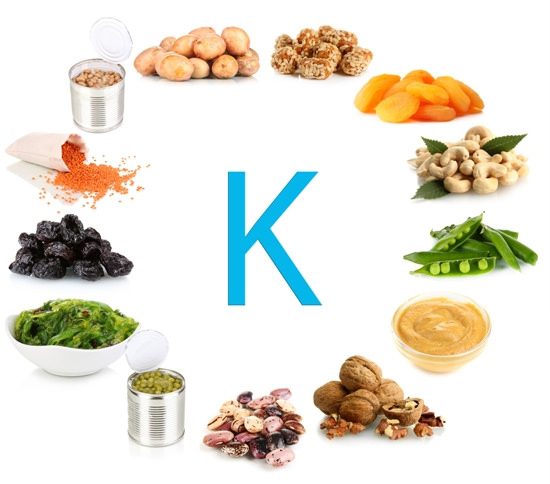

The benefits of Vitamin K go far beyond just blood clotting. This essential nutrient plays a vital role in bone strength, cardiovascular health, metabolic processes, and even brain function. Below we explore how Vitamin K supports your body — and the science behind it.
What Is Vitamin K?
Vitamin K is a fat‑soluble vitamin that exists mainly in two forms:
- Vitamin K1 (Phylloquinone): Found primarily in leafy green vegetables.
- Vitamin K2 (Menaquinone): Found in fermented foods and certain animal products.
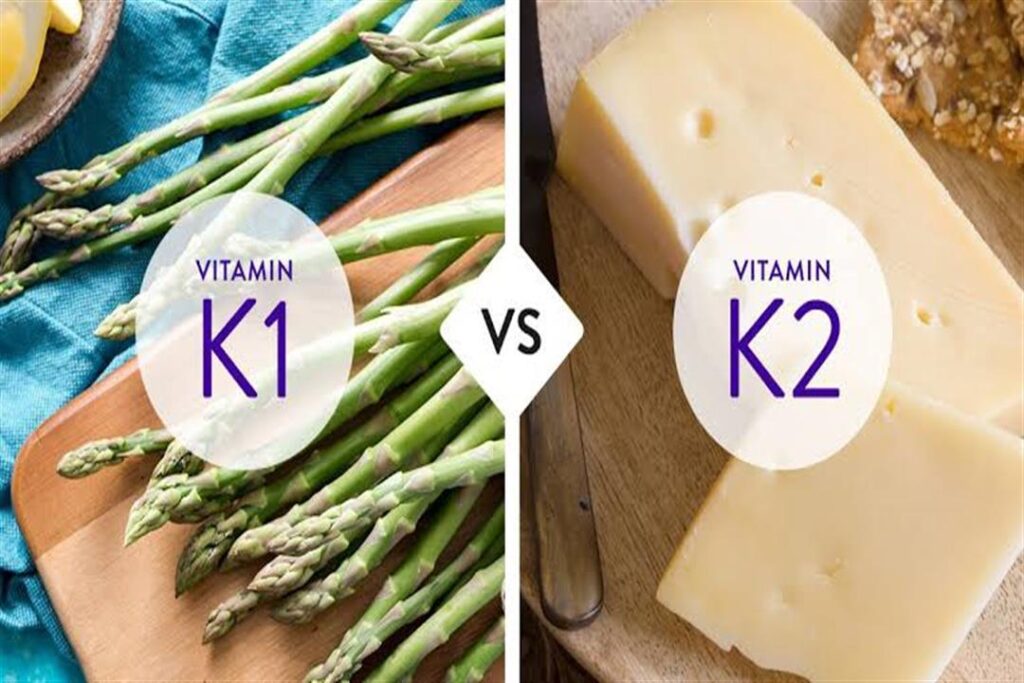
Both forms contribute to the benefits of Vitamin K, although they have slightly different functions.
Source: Cleveland Clinic — Vitamin K explained.
🔗 https://health.clevelandclinic.org/vitamin-k/?utm_source=chatgpt.com
Key Benefits of Vitamin K for Your Health
1. Helps with Blood Clotting and Wound Healing
One of the most well‑known benefits of Vitamin K is its role in blood clotting. Vitamin K activates proteins like prothrombin, which are essential for normal blood coagulation. Without sufficient Vitamin K, clotting is impaired and bleeding risk increases.
Source: Live Science — How Vitamin K Works.
🔗 https://www.livescience.com/51908-vitamin-k.html?utm_source=chatgpt.com
2. Supports Strong Bones and Reduces Fracture Risk
Vitamin K helps activate osteocalcin, a protein that binds calcium into the bone matrix. This process improves bone mineral density and can lower the risk of fractures — especially in older adults.
Source: PubMed — Bone health and Vitamin K.
🔗 https://pubmed.ncbi.nlm.nih.gov/11684396/?utm_source=chatgpt.com
3. Promotes Heart Health
Another important benefit of Vitamin K is its role in vascular health. Vitamin K activates proteins that help prevent calcium from depositing in artery walls, reducing the risk of arterial stiffness and cardiovascular disease.
Source: PubMed — Vitamin K and vascular health.
🔗 https://pubmed.ncbi.nlm.nih.gov/28944098/?utm_source=chatgpt.com
4. Supports Brain Function
Emerging research suggests that Vitamin K may help protect brain cells and support cognitive processes. It appears to regulate calcium and help reduce oxidative stress in neural tissue.
Source: EatingWell — Vitamin K2 and brain benefits.
🔗 https://www.eatingwell.com/vitamin-k2-benefits-11684923?utm_source=chatgpt.com
5. May Improve Glucose Metabolism
Some clinical studies indicate that Vitamin K may improve insulin sensitivity and glucose metabolism, which can support metabolic health and reduce the risk of type 2 diabetes.
Source: Open Heart Journal — Vitamin K and glucose metabolism.
🔗 https://openheart.bmj.com/content/2/1/e000300?utm_source=chatgpt.com
Best Food Sources for the Benefits of Vitamin K
To maximize the benefits of Vitamin K, focus on foods rich in both K1 and K2:
Vitamin K1‑Rich Foods
- Spinach
- Kale
- Collard greens
- Broccoli
(Source: EatingWell — Foods high in Vitamin K
🔗 https://www.eatingwell.com/foods-rich-in-vitamin-k-8635254?utm_source=chatgpt.com)
Vitamin K2‑Rich Foods
- Natto (fermented soy)
- Hard cheeses
- Eggs
- Liver
(Source: MedLabs Group — Vitamin K2 in foods
🔗 https://www.medlabsgroup.com/ar/health-articles/…)
Tip: Because Vitamin K is fat‑soluble, consuming it with healthy fats (like olive oil or avocado) improves absorption.
How Much Vitamin K Do You Need?
Although individual requirements vary, general guidelines recommend:
- Men: ~120 mcg/day
- Women: ~90 mcg/day
These values come from nutritional authorities and are based on age, sex, and overall health.
Conclusion: Why the Benefits of Vitamin K Matter
The benefits of Vitamin K are essential to your overall wellness:
✔ Supports natural blood clotting
✔ Strengthens bones and reduces fracture risk
✔ Helps maintain heart and vascular health
✔ May support brain function
✔ Can improve glucose metabolism
Whether through diet or supplementation, maintaining healthy Vitamin K levels is a simple step toward long‑term health.
📌 Disclaimer: Always talk with a healthcare professional before starting supplements, especially if you take blood‑thinning medications.